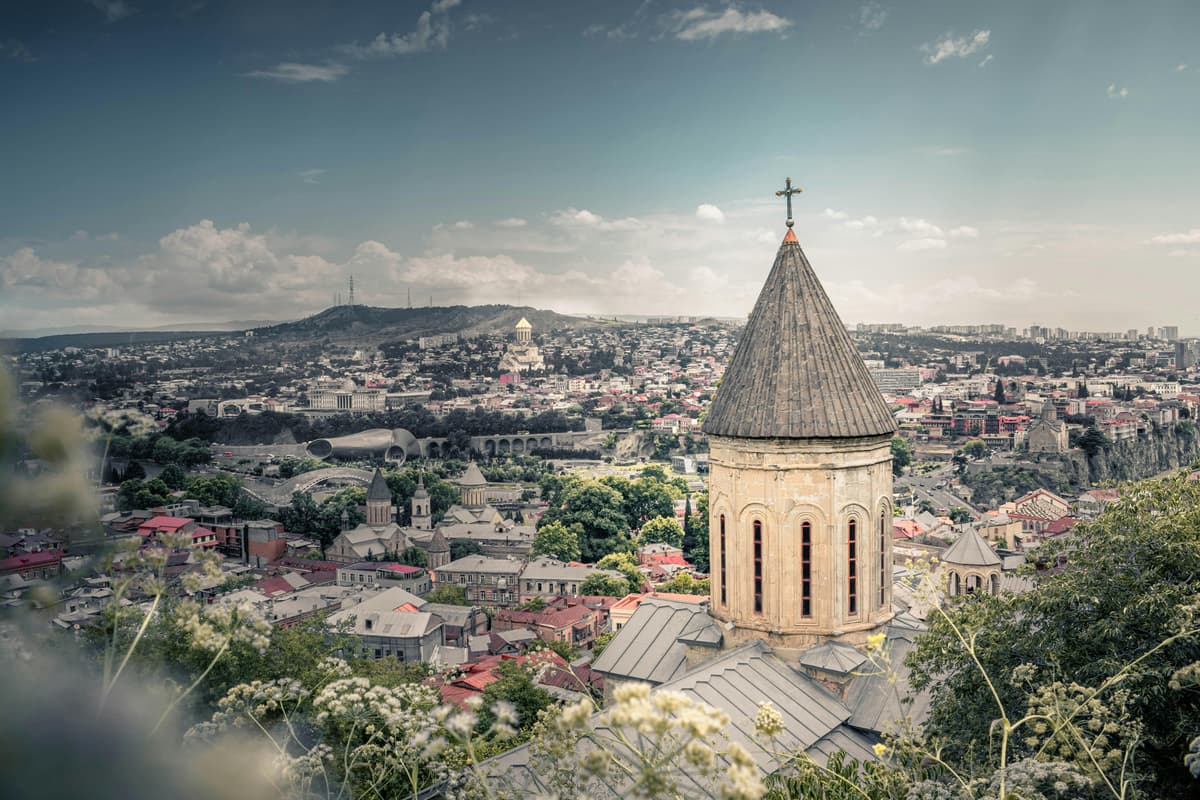
GEORGIA
Discover the stunning beauty and rich culture of Georgia, nestled between Europe and Asia. From Tbilisi’s historic streets to the Black Sea coast, Georgia offers a rich blend of history, adventure, nature, and cuisine. Explore ancient monasteries, hike majestic mountains, bathe in thermal springs, and taste world-class wines. Whether youre a backpacker or luxury traveler, Georgia is an affordable and safe destination filled with hidden gems.
Popular Cities:
8 Days Across Georgia: Tbilisi, Kutaisi & Batumi
From ancient monasteries to modern architecture, wild canyons to Black Sea sunsets, Georgia blends history, nature, and culture. This personal itinerary includes travel tips, local prices, and must-see places.
Getting There:
Arrive via Tbilisi International Airport. Bus No. 337 connects the airport to the city center (every 30 min, 7 AM–11 PM, card payment accepted).
Day 1–3: Tbilisi – The Cultural Capital
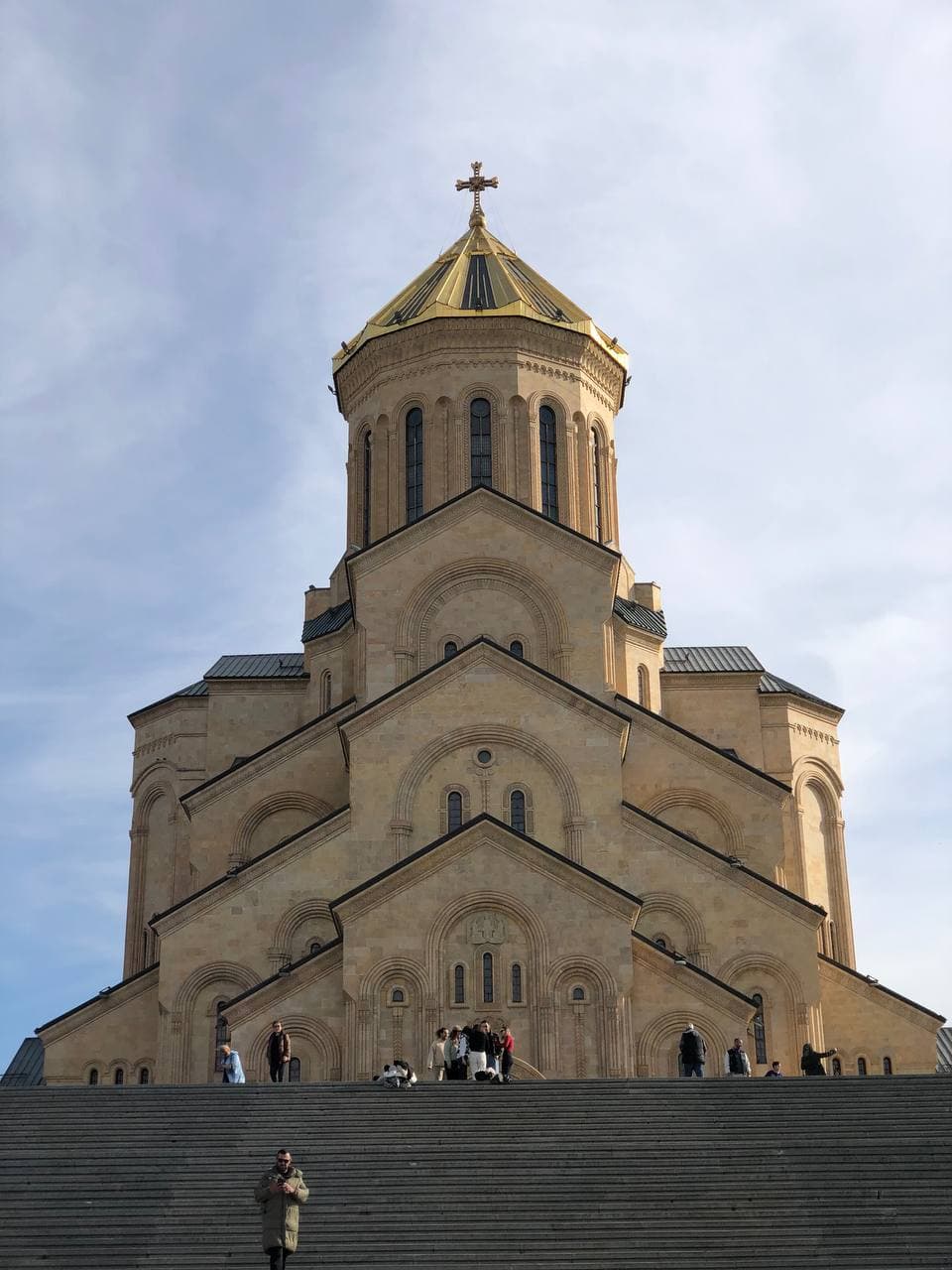
Things to Do in Tbilisi
Tbilisi’s charm lies in its diverse architecture and walkable streets. Allocate at least 3 days to explore:
- Sameba Cathedral (Holy Trinity): A modern church with panoramic city views.
- Narikala Fortress: Ancient 4th-century ruins. Wear good shoes for the climb!
- Mother of Georgia (Kartlis Deda): Reachable by cable car (3 GEL), holding wine for friends and a sword for enemies.
- Liberty Square & Rustaveli Avenue: Central hub with historic buildings, shops, and cafés.
- Old Tbilisi & Sulphur Baths: Historic alleys, balconies, and traditional thermal bathhouses.
- Bridge of Peace: A modern pedestrian bridge—especially beautiful at night.
Day Trip: Mtskheta – The Spiritual Heart of Georgia
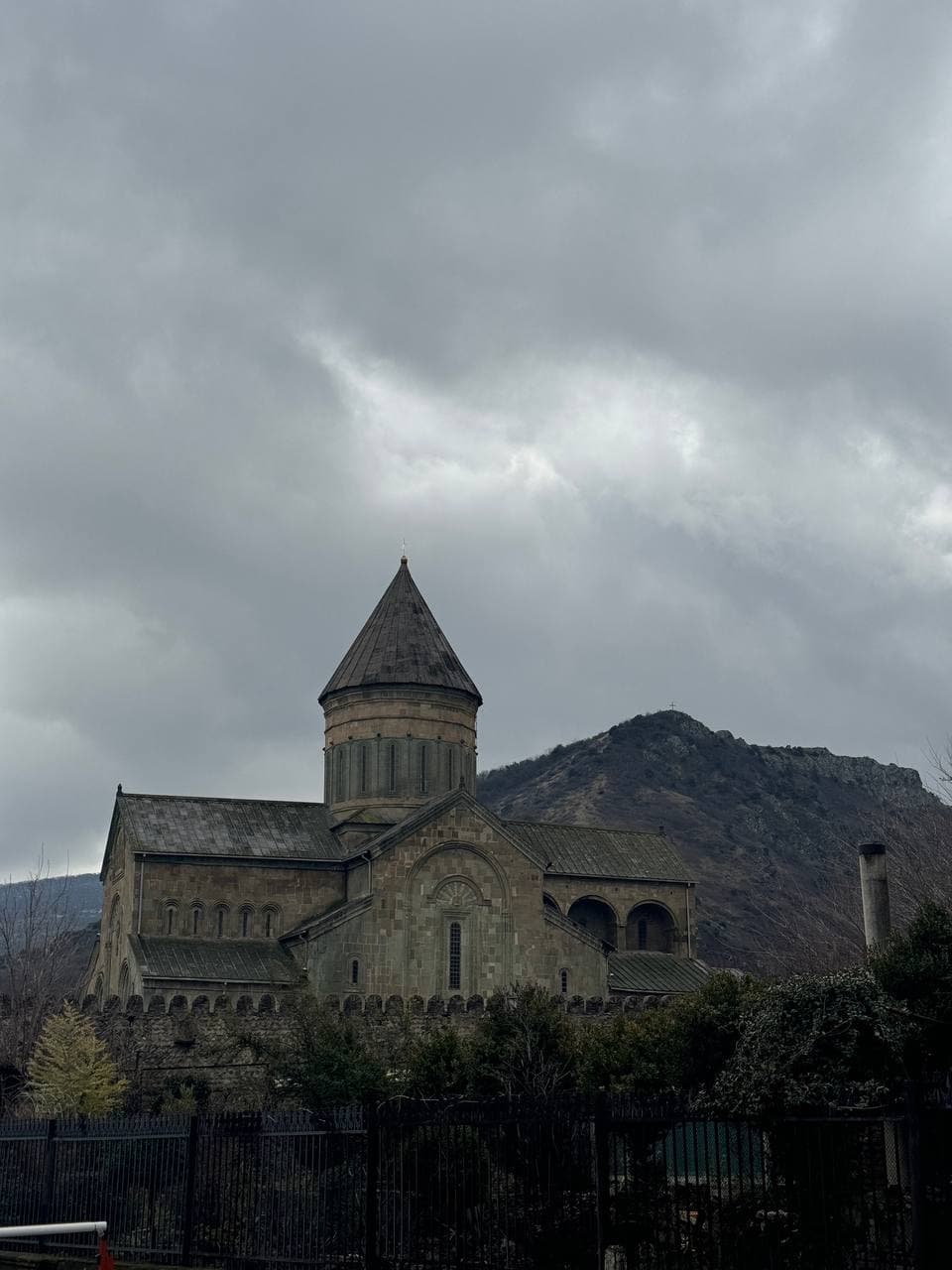
- Jvari Monastery: A 6th-century hilltop church with breathtaking views where two rivers meet.
- Svetitskhoveli Cathedral: One of Georgia’s holiest sites, located in the center of Mtskheta.
Day 4–5: Kutaisi – Nature, Monasteries & Waterfalls
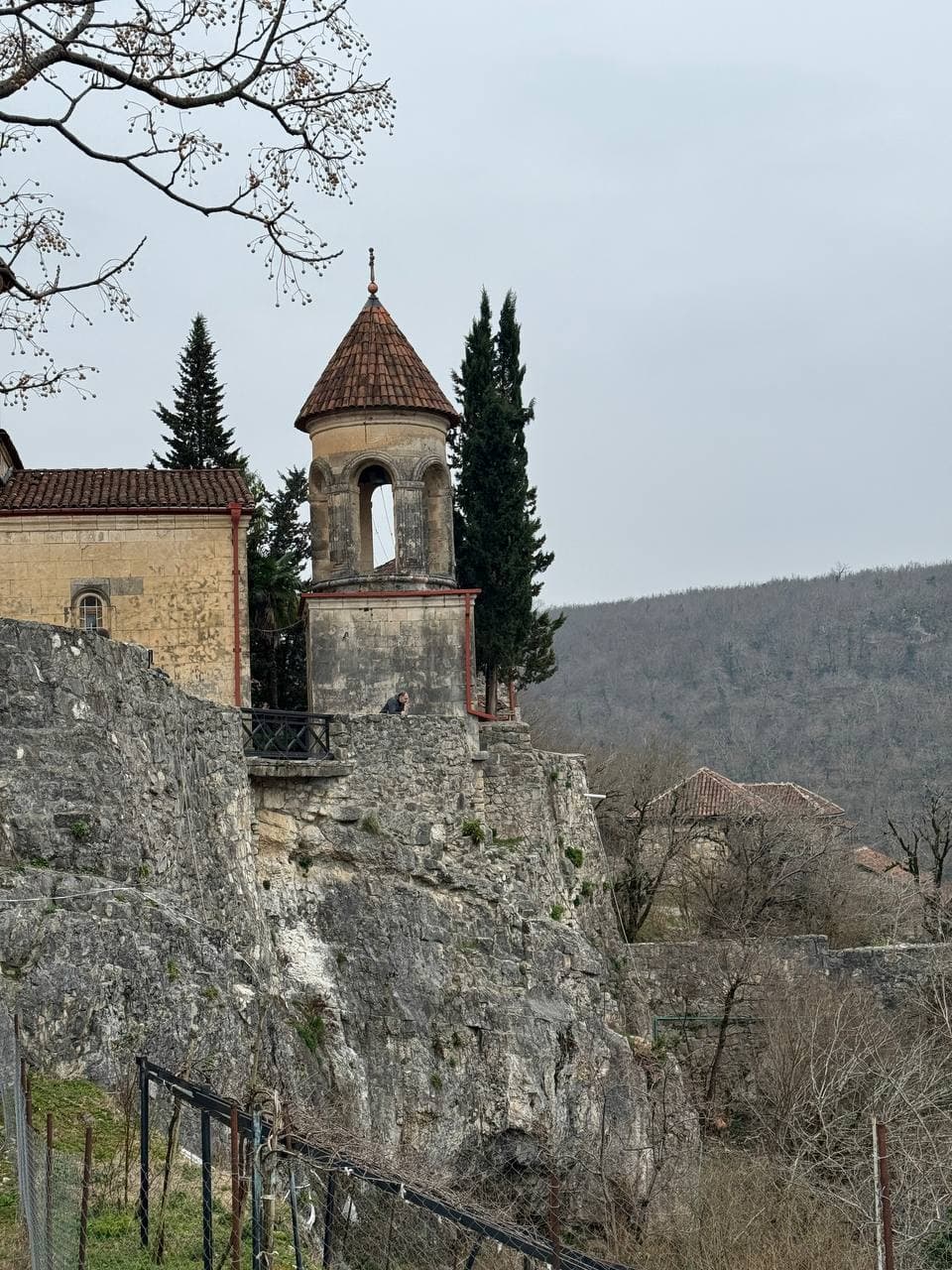
Things to Do Around Kutaisi
While the city is modest, its surroundings are full of natural and cultural treasures:
- Kinchkha Waterfall: A multi-tiered waterfall deep in the mountains. Entry: 17 GEL.
- Boga Canyon: A lesser-known gem with raw natural beauty.
- Gelati Monastery: A UNESCO-listed 12th-century monastery founded by King David the Builder. Free entry.
- Motsameta Monastery: Set above a blue river canyon. Hike from Gelati or take a ride.
- Martvili Canyon: Famous for boat rides through turquoise waters. High on my list!
Day 6–8: Batumi – Coastal Charm by the Black Sea
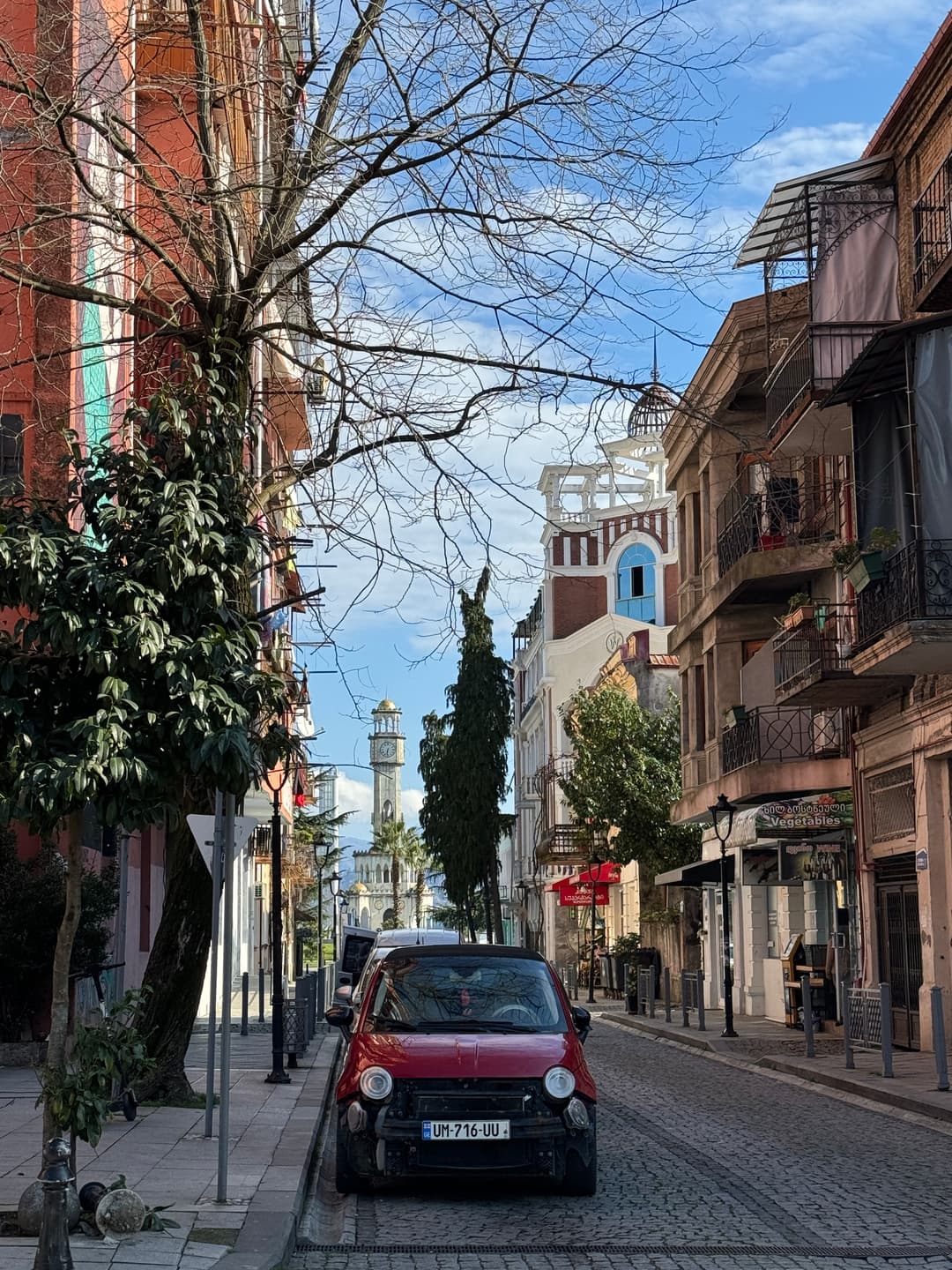
What to See in Batumi
- Ali and Nino Statue: A moving sculpture symbolizing a love story between a Georgian woman and an Azerbaijani man.
- Alphabetic Tower: Futuristic tower celebrating the Georgian script.
- Europe Square: Elegant plaza with great cafés and photo spots.
- Batumi Boulevard: Long seaside promenade, perfect for sunset walks.
- Armenian Church: Peaceful 19th-century church on Konstantine Gamsakhurdia Street.
Day Trip: Makhuntseti Waterfall & Queen Tamar Bridge
Take Marshrutka No. 77 from the city center. Swim under the waterfall in summer and visit a 900-year-old stone bridge. The road to the site winds through rivers and hills.
Getting Back & What’s Next
From Batumi, I took a train back to Tbilisi (5 hours, 34 GEL). I visited Mtskheta as a final day trip before leaving.